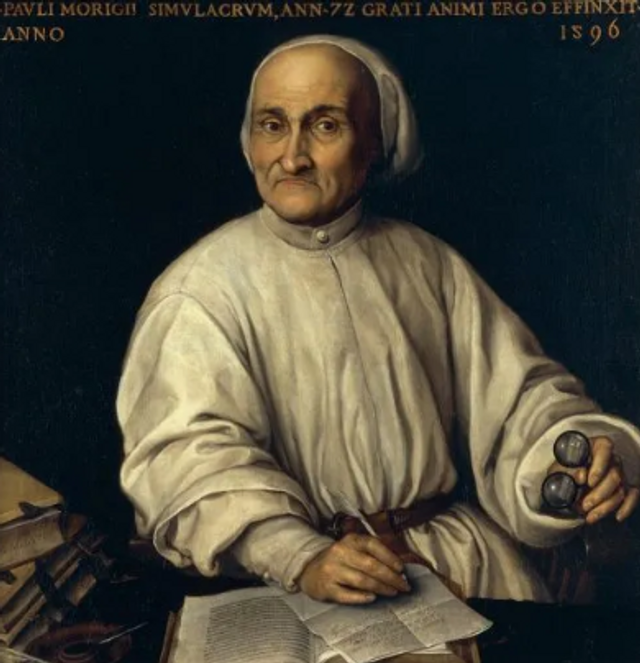
Fede Galizia
Fede Galizia was an Italian painter who lived and worked during the late 16th and early 17th century. Despite facing significant challenges as a woman in a male-dominated field, Galizia achieved recognition as a professional artist during her lifetime and produced a significant body of work that remains admired today. In this blog post, we will explore the life and work of Fede Galizia and her place in the history of Italian art.
Early Life and Training
Fede Galizia was born in Milan, Italy, in 1578, the daughter of painter Nunzio Galizia. Her father was her first teacher, and it is likely that she received further training in the studios of other artists in Milan. However, there are few records of Galizia's early training, and her early life remains somewhat of a mystery.
Galizia's early paintings demonstrate a highly skilled technique and a keen eye for detail. Her work was characterized by its still life elements, including flowers, fruits, and other objects. She was highly influenced by the style of Caravaggio, who was a prominent artist in Italy at the time, and she incorporated many of his techniques into her own work.
Career and Achievements
Despite the significant obstacles facing women in the arts during the 16th and 17th centuries, Galizia achieved considerable success as a painter during her lifetime. She was highly regarded for her technical skills, and her paintings were in high demand among the wealthy families of Milan.
Galizia's paintings typically feature still lifes, and her technique was highly skilled, with a keen eye for detail and a delicate touch. Her work often incorporated symbolic elements, such as fruit or flowers with religious significance, and her paintings were prized for their technical excellence and aesthetic beauty.
One of Galizia's most famous works is her painting "Basket of Fruit," which was completed in 1602. The painting features a basket of fruit, including peaches, grapes, and pomegranates, arranged on a tabletop. The painting is notable for its realism and the meticulous attention to detail given to each piece of fruit.
Another of Galizia's most famous works is her painting "Judith with the Head of Holofernes," which was completed in 1596. The painting depicts the biblical story of Judith, who saved her people by beheading the Assyrian general Holofernes. Galizia's painting is notable for its dramatic lighting and the expressionistic style used to depict the bloody head of Holofernes.
Galizia's work was highly sought after during her lifetime, and she was commissioned to paint several works for churches and other public institutions. Her paintings were also collected by the wealthy families of Milan, and several of her works remain in private collections today.
Challenges as a Female Artist
Galizia faced significant challenges as a woman working in the arts during the 16th and 17th centuries. Women were not permitted to attend art academies or to receive the kind of formal training that male artists received. Instead, they were expected to learn from their fathers or husbands and to develop their skills through practice and observation.
Despite these obstacles, Galizia was able to achieve recognition as a professional artist during her lifetime. However, she was often overlooked by her male peers, and her work was sometimes dismissed as being inferior to that of male artists.
In addition to these challenges, Galizia also had to navigate the social and cultural expectations placed on women during her time. Women were expected to be wives and mothers first and foremost, and pursuing a career in the arts was often seen as a frivolous or even scandalous pursuit. Galizia's success as a painter was therefore all the more remarkable, given the constraints placed on women of her time.
Here are some resources to learn more about Fede Galizia:
These resources provide a range of information about Fede Galizia, including her life and works, as well as her place in the history of Italian art. They also provide a variety of images of her paintings, allowing viewers to appreciate her unique style and skill as an artist.